
Global Climate Diplomacy, Cities, Urban Turn and COP30
COP30’s urban turn transforms cities into strategic diplomatic actors essential for global climate implementation.


COP30’s urban turn transforms cities into strategic diplomatic actors essential for global climate implementation.
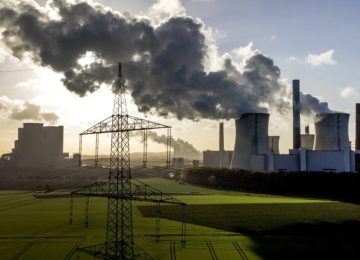
Decoupling is now the norm; 92% of world GDP shows economic growth without rising emissions.
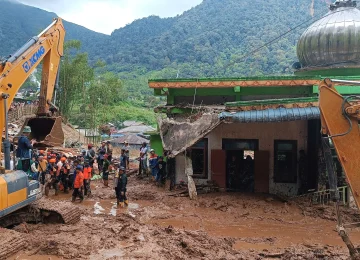
Data confirms climate crisis is global, requiring integrated policy, massive funding, and radical local-to-global collaboration
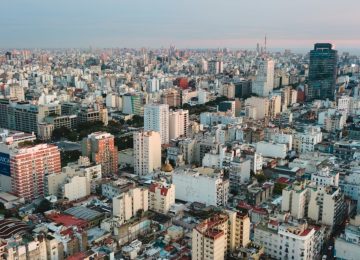
G20 experts urge new International Panel on Inequality, mirroring climate science body

COP30 President releases draft “Mutirão” political text, urging swift consensus on key climate issues
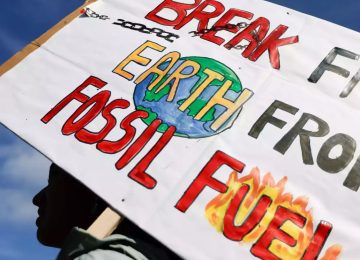
Over 80 nations urge COP30 for a detailed plan to end reliance on fossil fuels
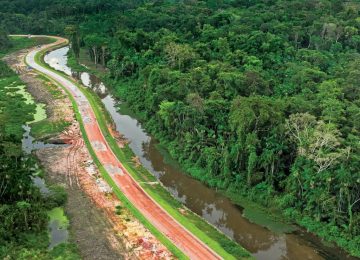
COP30 in Brazil stands at a defining moment for global climate ambition—marking a decade since the Paris Agreement and the renewal of nations’ 2035 commitments
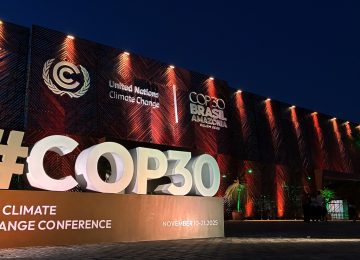
COP29 and COP30 Presidencies unveil the “Baku to Belém Roadmap” to mobilize $1.3 trillion annually for developing nations by 2035

Brazil is establishing its sustainable taxonomy by decree, defining criteria for green investments, and is proposing a “Super-Taxonomy” to standardize global finance rules

UN report warns developing nations face a $310 billion annual climate adaptation finance shortfall, missing key 2025 funding goals
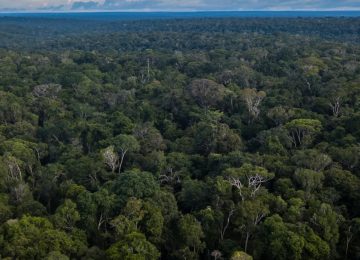
Brazil’s TFFF launch is delayed due to postponed investor events and an unfinalized financial model

A Brazilian-led proposal for a $125 billion forest conservation fund at COP30 is being criticized for potentially benefiting investors more than tropical nations