
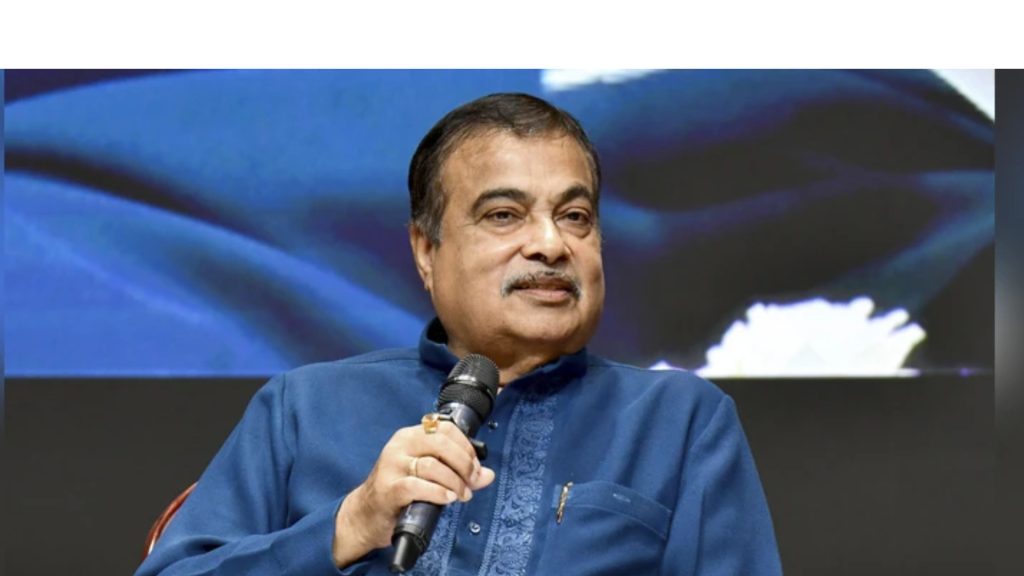

Union Minister for Road Transport and Highways, Nitin Gadkari, has addressed public and political concerns regarding the impact of 20% ethanol-blended petrol (E20) on vehicles.
The minister’s statement aims to bolster the government’s ambitious ethanol blending program, asserting its safety and technical viability.
In a written reply in Parliament, the minister referenced extensive studies conducted by automotive and oil research bodies, including the Indian Oil Corporation (IOCL), the Automotive Research Association of India (ARAI), and the Society of Indian Automobile Manufacturers (SIAM).
“Vehicles tested on E20 have not shown any significant variations in performance, and no adverse impact on components is observed,” he said.
The statement counters prevailing public concerns that the higher ethanol concentration might cause premature wear or damage to engine components, particularly in older vehicles.
No compensation fund planned:
A significant part of the minister’s response addressed calls from certain members of Parliament for a dedicated compensation mechanism. Gadkari clarified that the government is not considering establishing a compensation fund for proven damage related to the use of E20 fuel, citing the lack of evidence for widespread component failure.
The reply also provided a necessary distinction regarding vehicle compatibility:
Older Vehicles: Vehicles sold before April 1, 2023, were designed for up to E10 fuel.
Newer Vehicles: Vehicles sold after April 1, 2023, are designed to be E20 material compliant, meaning they can safely use the higher blend.
Regarding the perceived drop in mileage, the minister stated that while this concern exists, fuel efficiency is affected by a multitude of factors, including driving style, traffic conditions, and vehicle maintenance, implying that the E20 impact is marginal or not solely responsible for mileage variations.
Backdrop: the E20 mandate
The written statement provides clarification amid the government’s push to achieve a nationwide 20% ethanol blending target by 2025, significantly advancing the original goal.
The program is driven by dual objectives: reducing oil imports to save foreign exchange and boosting the income of farmers by increasing domestic demand for sugarcane and other crops used to produce ethanol. By validating the technical integrity of E20, Gadkari is reinforcing the long-term commitment to this shift toward sustainable, biofuel-based mobility.