

The exponential growth of data centers, fueled primarily by the artificial intelligence (AI) boom, is posing a significant challenge to corporate and governmental sustainability goals, according to new analysis from S&P Global.
Even as major tech companies invest heavily in clean energy, the sheer pace of expansion is projected to increase overall global emissions and exacerbate regional water scarcity.
Global data center power demand is projected to nearly double between 2024 and 2030, escalating from a built-out capacity of 200 GW to a projected 382 GW. The US remains the largest market, expected to grow its share to 45% of global demand by 2030.
Decarbonization efforts fall short:
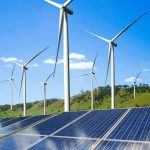
While hyperscalers like Microsoft, Alphabet, and Meta lead in clean energy procurement—contracting over 30 GW of deals in 2024—the demand is outstripping the supply of new renewables.
This dynamic creates a “cascading impact,” where data centers secure limited renewable capacity that would otherwise go to other customers, who then continue to rely on fossil fuel power. S&P Global Energy estimates that this effect could result in US power sector emissions being 200 million to 250 million metric tons of CO₂ equivalent higher by 2030 than previously forecast, severely challenging broader climate targets.
Water scarcity and reputational risk:
The environmental challenge extends beyond energy, impacting water resources in already stressed regions. An estimated 43% of data centers globally are exposed to high water stress in the 2020s.
While some companies are incorporating adaptation measures in their designs, widespread water management programs—such as using recycled water or treated wastewater—are not yet standard across North America and Europe. The report warns that the lack of proactive, site-specific solutions could heighten reputational risks if stakeholders perceive negative spillover impacts on local water availability.
Furthermore, the 2024 S&P Global Corporate Sustainability Assessment shows that 38% of assessed data center operators still lack a net-zero commitment.
The need for ecosystem-level balance:
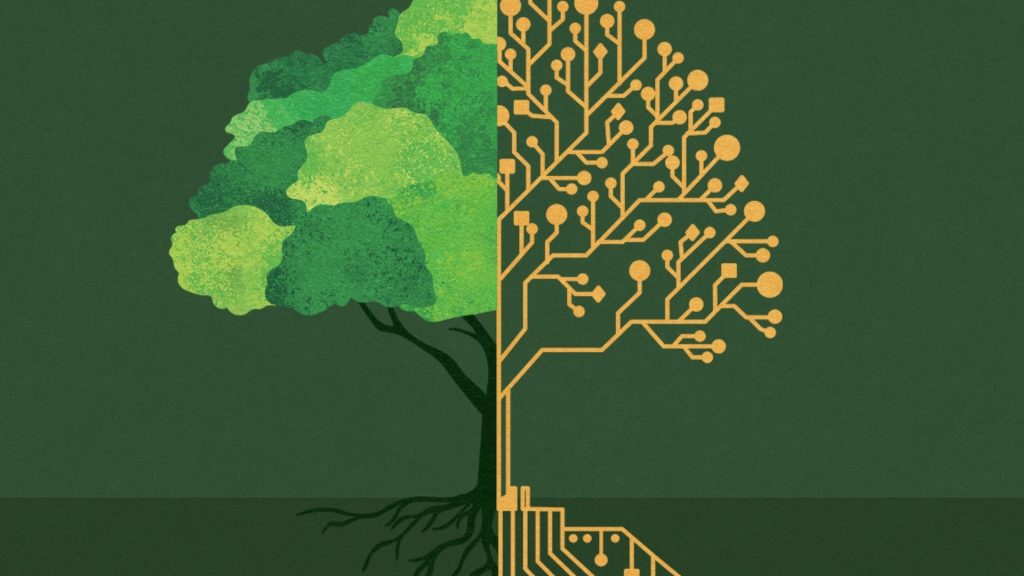
The core challenge for the industry is balancing high growth expectations with power and water constraints. Addressing these intertwined factors requires an “ecosystem-level analysis” rather than relying solely on corporate pledges. As the AI resource race accelerates, data center operators must prioritize site-specific solutions to ensure their expansion does not undermine collective efforts toward global decarbonization and resilience.
Looking forward:
The core challenge is identified as balancing high growth expectations with power and water constraints. The report concludes that relying solely on corporate pledges is insufficient, and an “ecosystem-level analysis” is required.
The report warns that as the AI resource race accelerates, data center operators must prioritize site-specific solutions to ensure their expansion does not undermine collective efforts toward global decarbonization and resilience.