

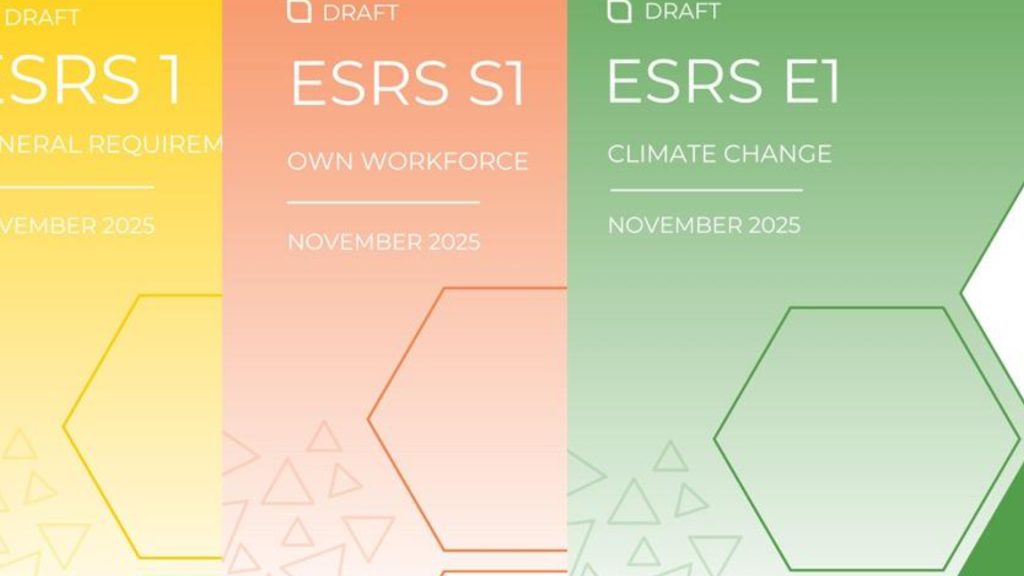

The European Financial Reporting Advisory Group, or EFRAG, has simplified standards and introduced major changes to make reporting more practical.
The changes include:
Data Reduction: The standards achieve a 61% reduction in mandatory data points. All voluntary disclosures were deleted entirely. This makes the standards significantly shorter and clearer.
Materiality Eased: The most complex area, the double materiality assessment, has been streamlined. New guidance is clearer and requires reduced documentation. This helps companies focus on disclosing what is genuinely useful and relevant.
Value Chain Flexibility: Requirements for reporting across the value chain have been eased. Companies now have more flexibility to use estimates. This reduces the pressure to collect direct data from suppliers, which was a major challenge.
Phased Implementation: The revised standards include proportionality mechanisms and phased-in timelines. This allows companies to report “reasonable and supportable information” without incurring undue cost or effort.
Global Alignment: EFRAG enhanced the new standards’ interoperability with the International Sustainability Standards Board (ISSB) rules. This aims for greater consistency in global sustainability reporting.
Easing the regulatory load:
EFRAG has submitted its final technical advice to the European Commission. This advice concerns the draft simplified European Sustainability Reporting Standards (ESRS). This action marks a major step in the Commission’s plan to reduce regulatory requirements. It aims to support European competitiveness. The move comes after extensive feedback from companies that were the first to apply the original ESRS in 2024. These companies reported significant compliance challenges. The goal of the simplification is to reduce the administrative burden without compromising the EU’s core sustainability goals, known as the Green Deal.
Enabling industry:
The simplification is a major victory for many European businesses. It is expected to improve compliance rates and make reporting more relevant for investors.
Reduced Costs: Companies will see a substantial cut in the costs and resources needed for compliance. Fewer mandatory data points mean less data collection and processing.
Focus on Relevance: By emphasizing the “usefulness of information,” the simplified standards encourage a shift. Companies will focus less on simply ticking compliance boxes. They will focus more on communicating financially relevant sustainability strategy.
Auditor Clarity: The new, clearer guidance on materiality is better aligned with auditor needs. This should lead to a smoother and more efficient audit process for sustainability reports.
Next steps:
The European Commission will now use EFRAG’s advice to prepare a final Delegated Act. This act will formally revise the standards. The revised standards are currently expected to apply for the financial year beginning on or after January 1, 2027. EFRAG will continue to provide support and educational materials to help the industry implement these changes.