

In a significant move to modernize the country’s power sector, the Ministry of Power has decided to accelerate the development of the India Energy Stack (IES), a digital public infrastructure (DPI) for the energy sector.
In a recent meeting with the task force, the MoP focused on the collective review and strategic discussion of the two core foundational elements of the initiative: the draft IES Strategy Document (version 0.1) and the IES Architecture Document (version 0.1).
A UPI moment for the power sector:
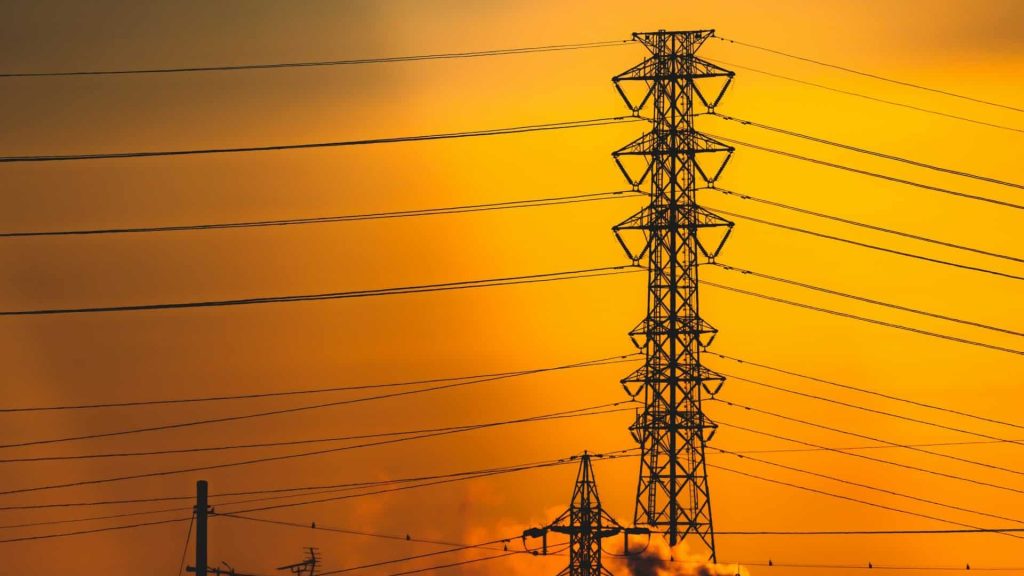
The IES is envisioned as the unified, secure, and interoperable digital backbone for India’s entire energy value chain, spanning generation, transmission, and distribution. Experts present highlighted that the IES is expected to have a transformational impact comparable to Aadhaar in identity and UPI in payments.
The core objective is to address the fragmented digital systems and lack of seamless integration currently hindering the sector. The IES framework proposes to achieve this by:
Providing unique IDs for consumers, assets, and transactions.
Enabling real-time, consent-based data sharing across the system.
Offering open APIs for seamless system integration and innovation.
Utilizing federated registries to ensure trusted data exchange.
Next steps:
The task force comprises senior domain experts from technology, the power sector, and regulatory bodies. The discussions were led by Chairman Dr. Ram Sewak Sharma (Former DG, UIDAI) and Chief Architect Pramod Verma (former Chief Architect, Aadhaar), signaling a strong lineage drawing from India’s successful digital public goods model.
REC Limited is serving as the Nodal Agency for the IES initiative, with FSR Global as the knowledge partner.
The collective guidance received during this session will be instrumental in refining the documents and preparing the framework for the pilot phase launch. To maintain momentum, the Ministry has instituted monthly Taskforce meetings. The IES project is currently scheduled for completion, with its core components in place, by July 2026.
Addressing net-zero and market challenges:
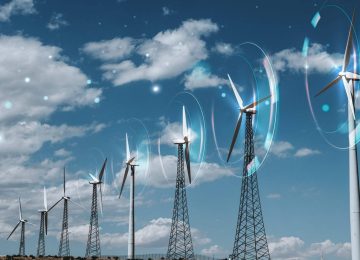
The urgency of the IES is tied directly to India’s national ambitions. The country is navigating rapid growth in renewable energy and the proliferation of electric vehicles (EVs), which demand a far more flexible and intelligent grid.
The IES is designed to:
Accelerate the integration of renewable energy by enabling better visibility and control.
Improve DISCOM operational efficiency and reduce losses.
Unlock value for consumers by enabling new digital services, green energy markets, and dynamic pricing options.
The development of the India Energy Stack is a crucial step towards creating a future-ready, resilient energy ecosystem necessary to meet the net-zero commitment by 2070 and support the goal of becoming a $5-trillion economy.