

A major rift is deepening within global climate negotiations.
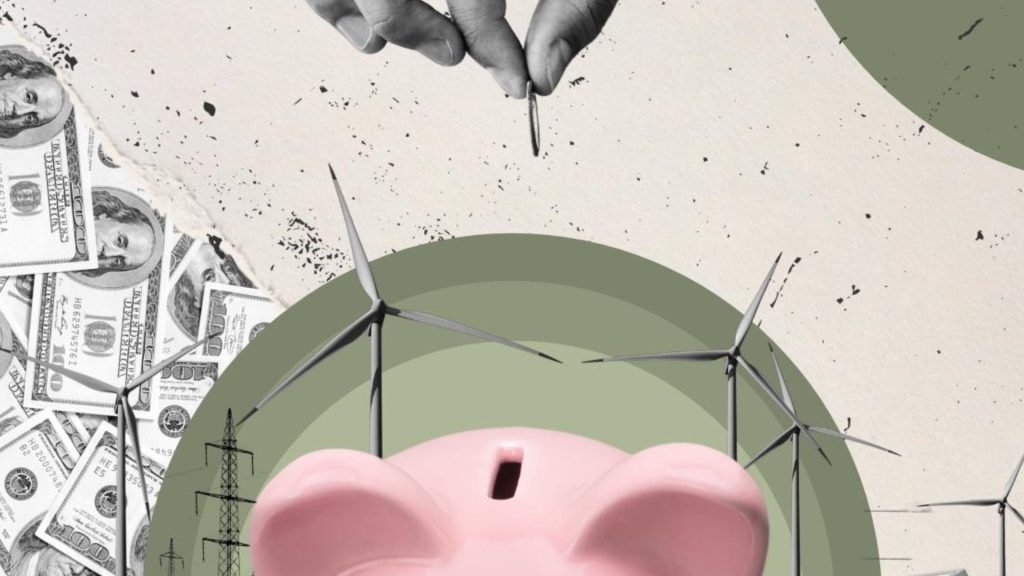
Advocates, economists, and faith leaders are intensifying their campaign against the reliance on debt instruments for climate finance, calling it a “climate loan trap.”
The campaign centers on the fact that over 58% of climate finance is provided as loans. This forces climate-vulnerable countries to borrow heavily just to adapt to disasters they did not cause.
The letters argue that developing nations need climate justice, not more debt. The call comes ahead of key international meetings, focusing pressure on the G20 and upcoming climate summits. These efforts involve numerous open letters sent by organizations, including the African Climate Justice Movement, demanding immediate action from wealthy nations.
Who is speaking out?
UN Secretary-General António Guterres has weighed in forcefully, calling the international financial system “short-sighted, crisis-prone.” He is advocating for reform to make climate finance more affordable and adequate. He has joined the Bridgetown Initiative, which seeks to channel billions into developing nations without increasing their debt burdens.
The campaign’s force comes from a united front of global South civil society, economists, and faith leaders who send regular open letters to the G20 and world leaders.
Key groups that consistently sign and drive these demands include:
Climate Action Network (CAN) International
Oxfam International
Asian Peoples’ Movement on Debt and Development
Debt Justice (Jubilee Germany)
Power Shift Africa350.org
These signatories frame the debt crisis and the climate crisis as two inseparable burdens imposed on the Global South.
A failure of global solidarity:
Experts warn that this reliance on debt is trapping countries in a vicious cycle. They must divert limited national budgets to debt servicing instead of spending on vital public services.
Harjeet Singh, Climate Activist and Founding Director, Satat Sampada, has said the funding gap is “a failure of global solidarity” and a “deliberate political choice by rich countries to abandon the developing world.”
The UN Environment Programme (UNEP) confirms the monumental crisis. Its analyses show developing nations need up to 12 times more funds for adaptation than is currently being provided.
Loans over justice:
Data shows that a significant portion of current climate funding—over 58% of finance flows—is provided as loans. This forces climate-vulnerable nations to borrow heavily just to adapt to disasters they did not cause.
Experts warn that this reliance on debt is trapping countries in a vicious cycle. They must divert limited national budgets to debt servicing instead of spending on vital public services like health and education. The debt crisis and the climate crisis are increasingly seen as two inseparable burdens imposed on the global South.
Central demands for justice:
The central demand of this global campaign is clear: climate finance must be non-debt creating.
• Adaptation Grants: Wealthy nations must shift immediately to grant-based funding for adaptation and resilience projects.
• Loss and Damage: Funding for the newly operationalized Loss and Damage Fund must be provided entirely through grants as a form of reparations for irreversible impacts.
• Debt Relief: Crucially, the letters call for immediate and comprehensive debt cancellation for the most climate-vulnerable nations to free up resources for climate resilience.
UN analyses confirm the crisis, showing developing nations need up to 12 times more funds for adaptation than is currently being provided. Activists describe this huge shortfall and reliance on loans as a deliberate political choice, effectively handing a “death sentence” to frontline communities.