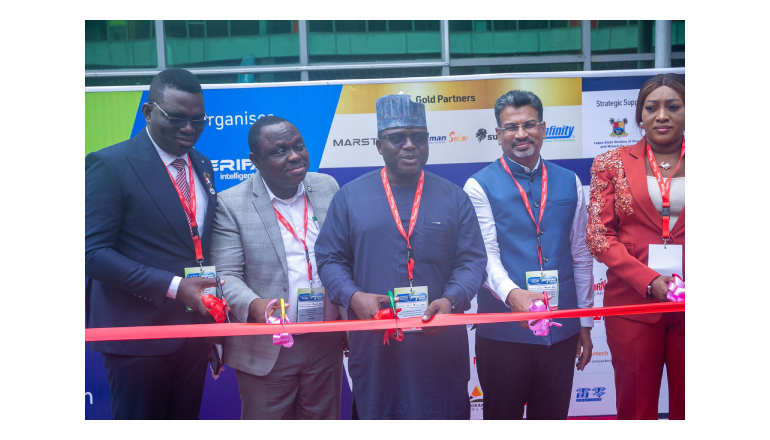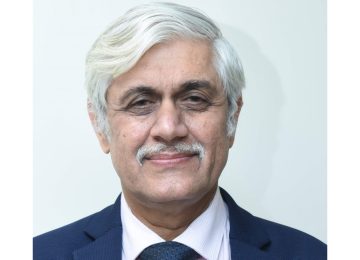


Speaking at India Energy Week (IEW) 2026 in Goa, P K Banerjee, Executive Director, SIAM, emphasized that India’s mobility transition must adopt a multi-fuel, multi-path approach. He argued that no single technology can meet the nation’s diverse energy needs. Instead, a mix of EVs, biofuels, and hydrogen is essential to balance economic growth with environmental sustainability.
Banerjee noted that mobility is no longer just an automotive concern. It has evolved into a complex energy systems challenge. As India’s energy demand rises, the sector must integrate with broader energy infrastructure. This shift ensures that the transition supports energy security while reducing the national carbon footprint.
The strategy advocates for technology neutrality across the mobility industry. Electrification remains vital for urban air quality. Meanwhile, internal combustion engines will continue to serve rural areas and tier-2 cities. Banerjee also highlighted the growing roles of E20 ethanol blending, CNG, and LNG in the current transition.
To accelerate progress, he called for 360-degree policy evaluations. These include robust vehicle scrappage schemes and improved health-testing infrastructure. Such measures allow for a phased transition that is acceptable to consumers and prevents systemic disruption.
“As India’s energy needs rise manifold, multi-path, multi-fuel and multi-powertrain solutions are the only viable way forward for a sustainable future,” Banerjee said.
ESGNews.earth is a media partner at the event.