
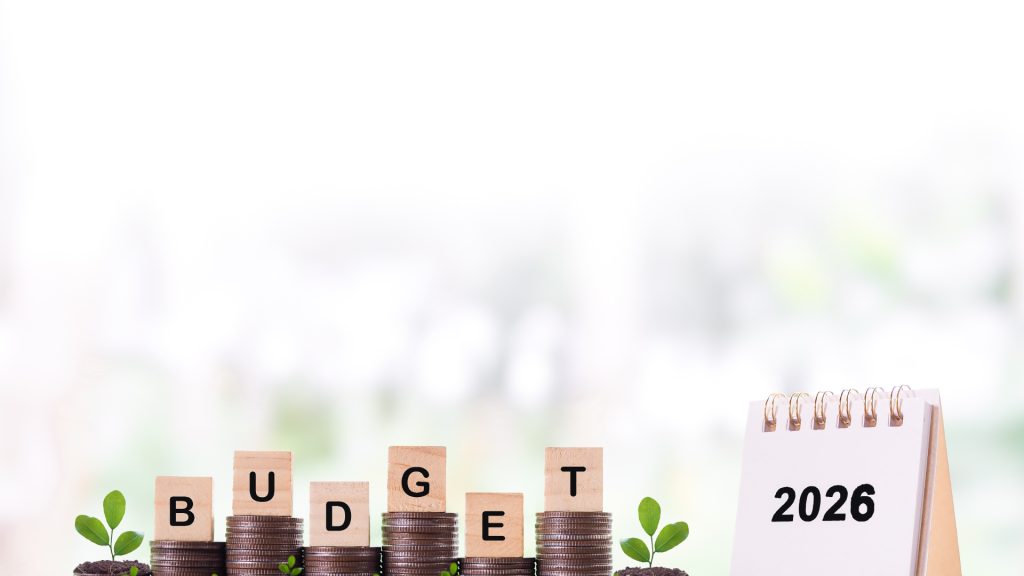

As India prepares for Union Budget 2026, the focus has shifted from simple capital allocation to building a resilient capital architecture. With the national goal of becoming a $30 trillion economy by 2047, industry heads are calling for a budget that prioritizes productivity, circular economy financing, and urban housing recalibration.
Key budget recommendations:
R S Subramanian, SVP South Asia, DHL Express:
“Simplifying customs and moving to a trust-based regulatory environment are key levers for global competitiveness. The push for multimodal infrastructure under the National Logistics Policy remains critical to support India’s growing export ambitions and reduce logistics costs, which have already hit a milestone of 7.97% of GDP.”
Shishir Baijal, CMD, Knight Frank India:
“Affordable housing continues to underperform due to structural imbalances. We need to realign housing incentives with today’s urban cost structures. Increasing the home loan interest rebate under Section 24(b) from ₹2 lakh to ₹5 lakh and building a formal rental ecosystem can revive this critical segment.”
Radhika Kalia, Managing Director, RLG Systems India:

“ESG is now a credibility test for economic policy. Budget 2026 must strengthen this by creating long-term circular-economy financing and correcting fiscal distortions, such as the 18% GST burden on formal recyclers. This is essential to secure India’s competitiveness in critical minerals.”

Naresh Kumar, COO, Lauritz Knudsen Electrical and Automation:
“Productivity represents India’s largest untapped advantage. The upcoming Budget can accelerate the transition to a global manufacturing leader by supporting investments in automation, digitalization, and renewable-ready industrial infrastructure, particularly for the MSME sector.”

Sudarshan Lodha, Co-founder & CEO, Strata:
“The next phase should focus on easing project-level financing and enabling structured private credit. These measures can unlock long-term capital, support office expansion beyond core metros, and strengthen real estate’s role in employment and urban growth.”
Overall, India must bridge the policy-execution gap by incentivizing green technologies and simplifying the tax code for circular industries. Strengthening the production-linked incentive (PLI) schemes to include high-tech automation will be vital for global manufacturing competitiveness.
India needs a cohesive fiscal framework to transition into a green, high-productivity economy and attain Net Zero by 2070. Budget 2026 serves as the ultimate credibility test for these long-term ambitions.