


India has etched its name in global innovation history by becoming the first country to commercially produce bio-bitumen from agricultural waste. This game-changing development, titled “From Farm Residue to Road: Bio-Bitumen via Pyrolysis,” was spearheaded by the Council of Scientific and Industrial Research (CSIR). This initiative tackles stubble burning pollution and fuels rural economies.
A Sustainable Alternative to Petroleum Bitumen
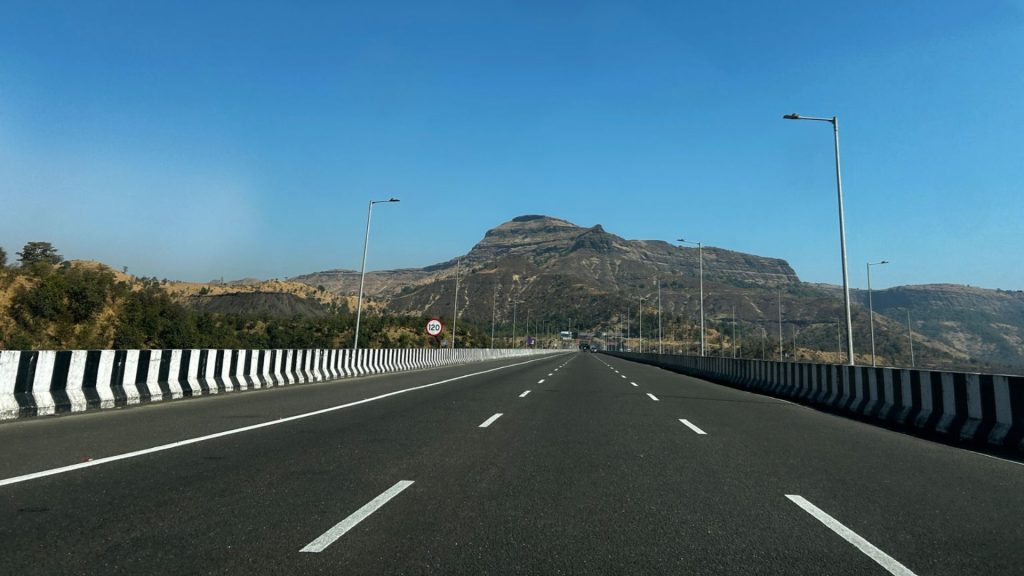
Bio-bitumen offers a greener substitute for traditional petroleum-based asphalt, slashing greenhouse gas emissions by up to 70%. The pyrolysis process heats agricultural waste in the absence of oxygen, yielding a high-quality binder that can replace 20-30% of conventional bitumen in road construction. Already field-tested on the Jorabat–Shillong Expressway, it proves durable and practical for India’s vast infrastructure needs.
This aligns perfectly with India’s Waste to Wealth mission and circular economy goals, turning environmental liabilities into assets.
Economic Wins and Cost Savings
Blending just 15% bio-bitumen into national road projects could save India nearly ₹4,500 crore in foreign exchange by reducing reliance on imported crude oil. Lower construction costs make it a boon for expansive highway networks under initiatives like Bharatmala Pariyojana.
For farmers, it means new revenue streams from selling agro-waste, curbing the ₹30,000 crore annual losses from stubble burning while creating jobs in rural processing units.
Environmental and Rural Empowerment
Stubble burning, a major pollution source in northern India, contributes to hazy winters and health crises. Bio-bitumen diverts millions of tonnes of residue from fields, cutting air pollution and supporting cleaner air goals.
It empowers rural livelihoods by integrating farmers into the supply chain, boosting incomes, and promoting self-reliance. This reflects ViksitBharat2047‘s vision of sustainable, inclusive growth.
Path to a Greener Infrastructure Future
CSIR’s innovation positions India as a leader in bio-based materials, with potential for scaling to other agro-wastes like sugarcane bagasse. As global demand for low-carbon infrastructure rises, this could export technology and strengthen India’s ESG credentials in climate finance.
Dr. Jitendra Singh hailed it as a step toward a “cleaner, greener future,” underscoring government backing for science-driven sustainability.