

After two weeks of intense negotiations, 195 Parties at the COP30 climate summit in Belém, Brazil, adopted the comprehensive Belém Package. This signals a collective resolve to accelerate the implementation of the Paris Agreement.
The final package, often referred to as a “COP of Implementation,” included 29 consensus decisions focused on moving from climate pledges to concrete action.
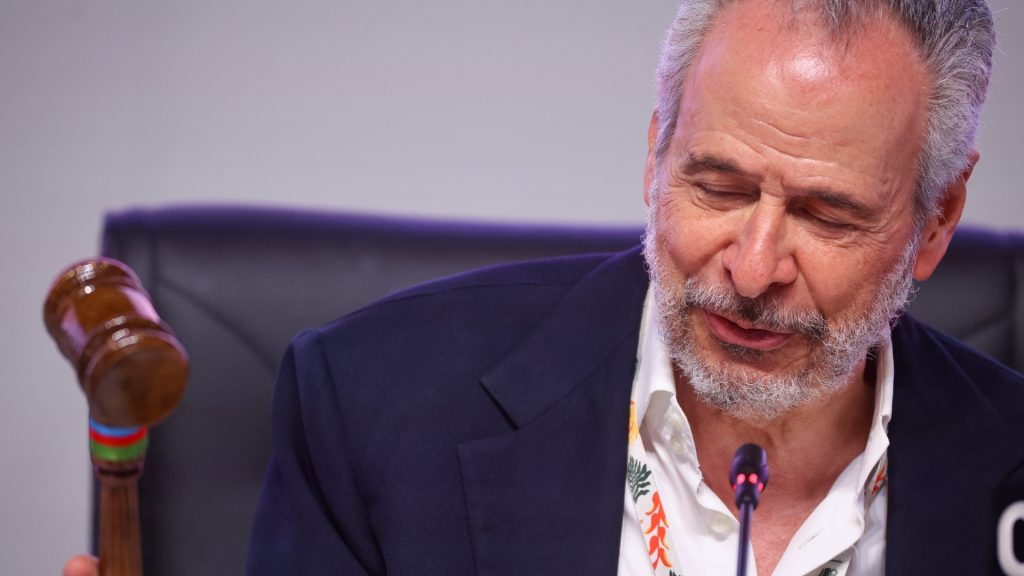
President’s Call: “As we leave Belém, this moment must not be remembered as the end of a conference, but as the beginning of a decade of turning the game,” said COP30 President, André Corrêa do Lago, emphasizing the shift from negotiation to delivery.
Adaptation finance triple commitment:
A critical breakthrough at COP30 was the commitment to triple adaptation finance by 2035, a key demand from developing nations to address the adaptation finance gap. The commitment is expected to scale up current funding toward an estimated $120 billion per year by 2035.
Global Adaptation Goal: Parties concluded the Baku Adaptation Roadmap and finalized a set of 59 voluntary, non-prescriptive indicators to track progress on the Global Goal on Adaptation across sectors like water, food, and health.
FINI Initiative: The Fostering Investible National Implementation (FINI) initiative was launched, aiming to unlock $1 trillion in adaptation project pipelines within three years.
Just transition and equity mechanisms:
The Belém Package cemented new mechanisms aimed at ensuring a global shift toward a low-carbon economy that is fair and inclusive.
Just Transition Mechanism: A mechanism was approved to enhance international cooperation and knowledge-sharing, putting people and equity at the center of the fight against climate change.
Gender Action Plan: A strengthened Gender Action Plan was adopted, promoting gender-responsive budgeting and advancing the leadership of women in climate action.
Future roadmaps:
The Brazilian Presidency launched two separate initiatives to maintain momentum on energy transition.
Presidency Roadmaps: President Corrêa do Lago announced the creation of two presidency-led initiatives: the Forest and Climate Roadmap and the Transitioning Away From Fossil Fuels Roadmap. The latter will address the “fiscal, economic, and social challenges” of the transition.
Tropical Forests Forever: The Tropical Forests Forever Facility (TFFF) was launched to deliver long-term, results-based payments for verified conservation, mobilizing over $6.7 billion in its first phase.
The final document adopted at COP30 also calls for working toward scaling up total climate finance flows for developing countries to at least $1.3 trillion annually by 2035.