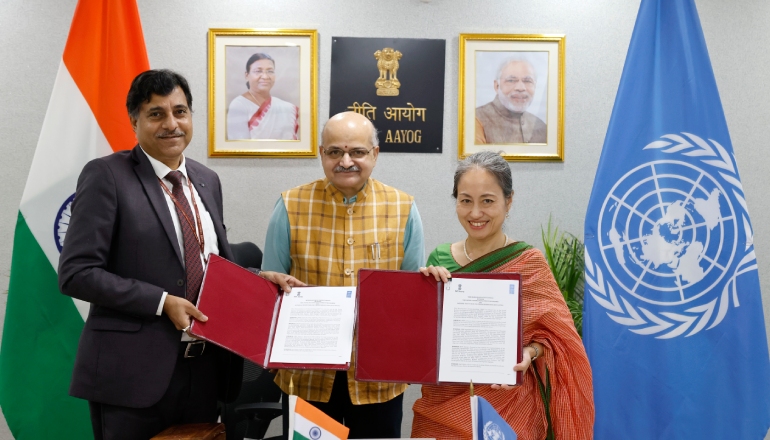
NITI Aayog, UNDP Collaborate to Accelerate SDGs in India
NITI Aayog and UNDP have collaborated to localize SDGs and uplift underdeveloped regions with data driven insights


NITI Aayog and UNDP have collaborated to localize SDGs and uplift underdeveloped regions with data driven insights
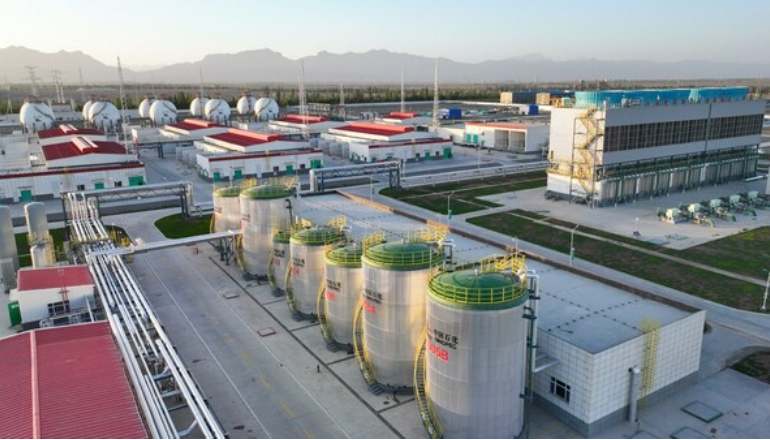
The Sinopec Xinjiang Kuqa Green Hydrogen Project is a pilot project and is expected to produce 20,000 tons of green hydrogen annually, at full capacity

Agriculture, primary source of livelihood for nearly 55% of Indian population, feeds *1.3 billion people and contributes to the GDP

At the onset, one cannot question the Indian government’s intent to preserve biodiversity. However, on the other hand, the Union Ministry for Forest, Environment and Climate Action has made amendments in the Forest Conservation Bill
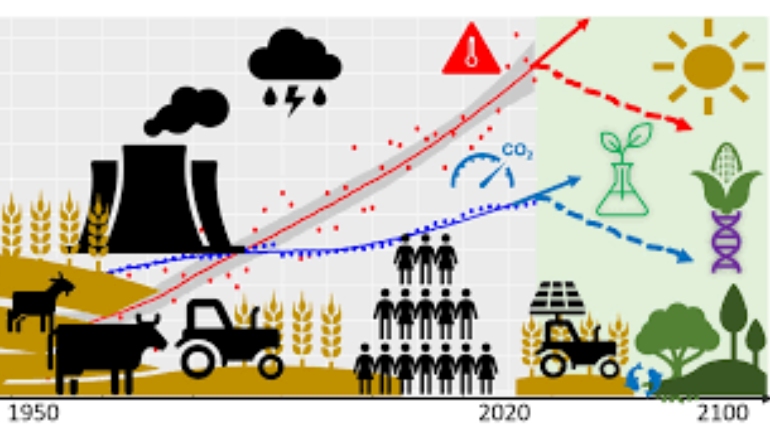
The main direct cause of biodiversity loss is land use change (primarily for large-scale food production) which drives an estimated 30% of biodiversity decline globally
Eleven percent of the world’s treated wastewater is reused and around 50 % of the untreated wastewater enters rivers, lakes, and seas.
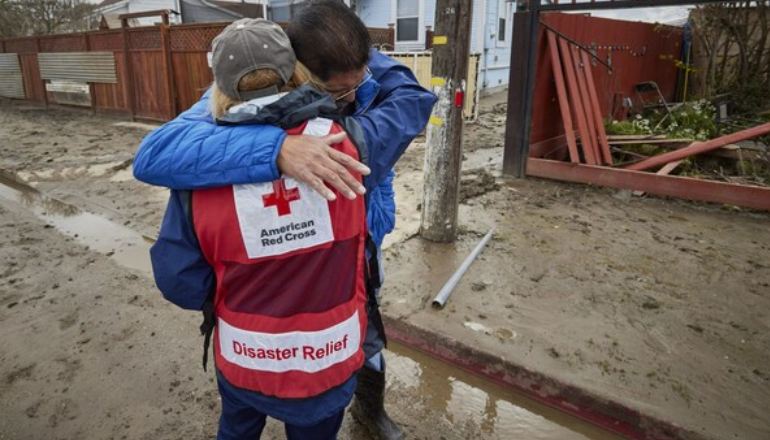
In comparison to a decade earlier, the American Red Cross is today dealing with over twice as many significant disasters within the United States.

Globally, the political landscape, protests, the potential to manipulate the numbers, and the practise of “greenwashing” are a few issues dominating the sustainability landscape.
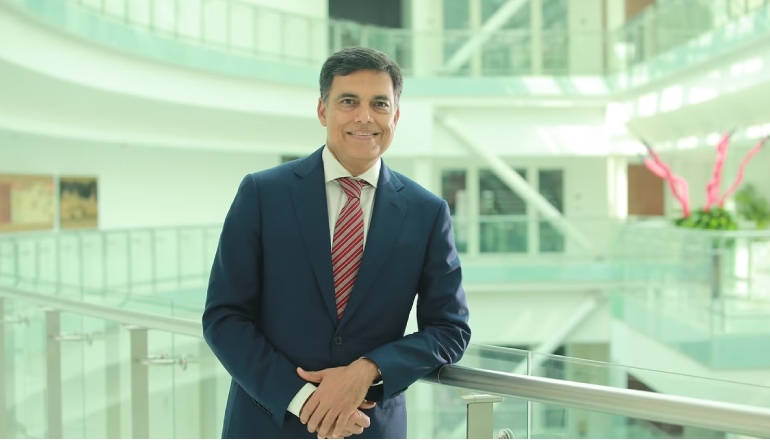
Outlining the four measures revolve around clean energy, climate finance, equitable distribution and circular economy, Mr Jindal called for global collaboration to meet Net Zero targets.
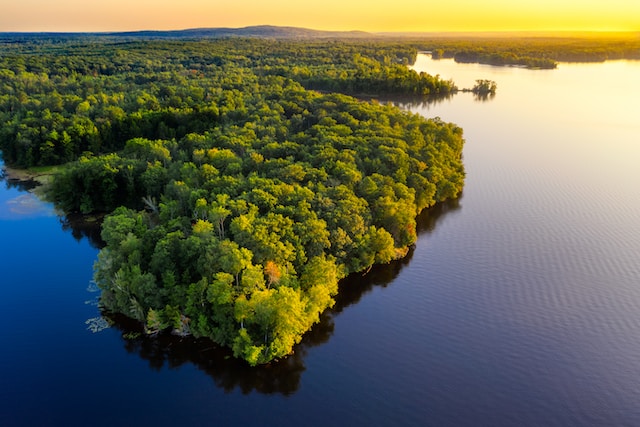
This financial donation is a part of a bigger $100 million funding plan created to support the largest biodiverse reforestation project with a goal of removing carbon from the region.
COP28 UAE, will concentrate its efforts on advancing a just, orderly and equitable energy transition; fixing climate finance; putting nature, lives and livelihoods at the heart of climate action; and mobilizing for the most inclusive COP.
The software, called the National Carbon Registry, has been accredited as a digital public good (DPG). As a DPG, the registry uses open source code which allows countries to customize information as per their needs.