
CBAM 2026: Green Trade or Trade Barrier?
As of January 1, 2026, the European Union’s Carbon Border Adjustment Mechanism (CBAM) officially shed its training wheels.


As of January 1, 2026, the European Union’s Carbon Border Adjustment Mechanism (CBAM) officially shed its training wheels.

Mapping India’s 2025 shift from compliance-heavy ESG mandates to the logistical and supply chain infrastructure required for 2026.

Experts urged India to embed PSAM in its new carbon credit scheme to prevent price collapse and ensure a credible, long-term decarbonization signal.
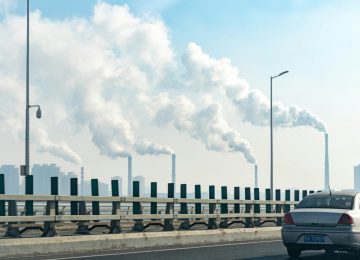
It mandates 282 high-emission industrial units in cement, aluminium, chlor-alkali, and pulp & paper to cut their carbon intensity over the next two years.

The Ministry of Environment, Forest and Climate Change, or MoEFCC, has issued the draft Greenhouse Gas (GHG) Emission Intensity Target Rules, 2025

Green credits are proactive, rewarding tangible actions that reshape business operations and environmental outcomes
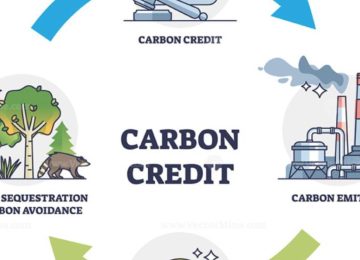
India carbon prices may rise as the country gears up for the implementation of a national voluntary carbon market

CBAM, currently affecting only 1.64 percent of India’s total exports, is an additional tax burden and trade barrier