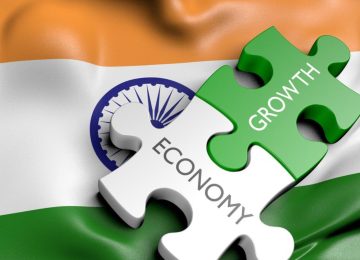
India Breaks Climate Records but Hits Finance Blockade: Economic Survey
Economic Survey 2026 highlights India’s self-funded green surge amid a paradox of global protectionism.


Economic Survey 2026 highlights India’s self-funded green surge amid a paradox of global protectionism.

Global climate reports signal alarm with rising temperatures, rendering the Paris Agreement’s 1.5°C target seemingly unconquerable.
Budget 2026 must pivot from installing capacity to owning the technology and grid infrastructure.

As of January 1, 2026, the European Union’s Carbon Border Adjustment Mechanism (CBAM) officially shed its training wheels.
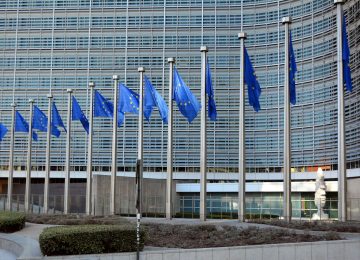
The EU expands its carbon border levy to high-emission imports like car parts and washing machines ahead of January enforcement.

At COP30, India seeks a new UNFCCC mechanism to finance developing countries’ economy-wide transition
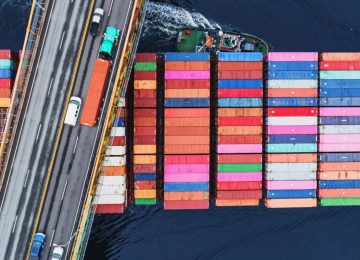
CBAM carbon tax shock: new benchmarks mean €120/ton cost for steel imports as 2026 deadline looms
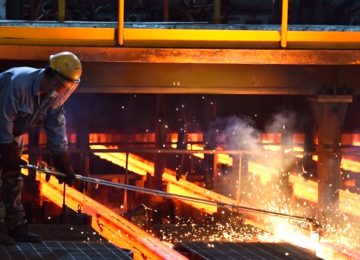
India’s steel sector needs standardized ESG data to unlock necessary climate finance.

Experts urged India to embed PSAM in its new carbon credit scheme to prevent price collapse and ensure a credible, long-term decarbonization signal.

India is seeking fair trade adjustments as the EU’s new carbon tariff impacts $8.2 billion in metal exports
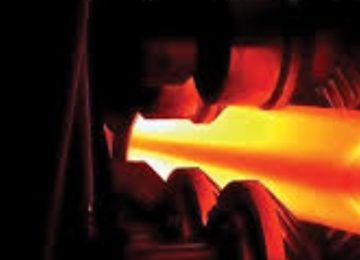
To become India’s first green MSME powerhouse and boost global competitiveness, the Kolhapur Foundry Cluster is piloting a cutting-edge decarbonization concept

With pilot partnerships already underway in India, Carbon Clean aims to help hard-to-abate industries remain competitive as regulations such as the EU and UK Carbon Border Adjustment Mechanisms come into force.