
Decarbonizing Indian Industry: Roles in Climate Action Leadership
Strategic industrial decarbonizing and climate initiatives are transforming Indian businesses into globally competitive, sustainable net-zero leaders.


Strategic industrial decarbonizing and climate initiatives are transforming Indian businesses into globally competitive, sustainable net-zero leaders.

NITI Aayog details decarbonization strategies for aluminum, cement, and MSMEs to meet 2070 targets.
Budget 2026 must pivot from installing capacity to owning the technology and grid infrastructure.

As of January 1, 2026, the European Union’s Carbon Border Adjustment Mechanism (CBAM) officially shed its training wheels.

At COP30, India seeks a new UNFCCC mechanism to finance developing countries’ economy-wide transition

CBAM carbon tax shock: new benchmarks mean €120/ton cost for steel imports as 2026 deadline looms
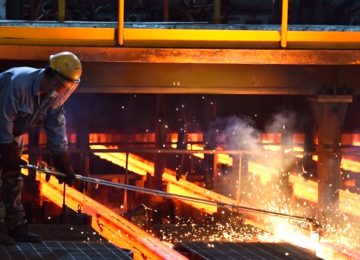
India’s steel sector needs standardized ESG data to unlock necessary climate finance.

India is seeking fair trade adjustments as the EU’s new carbon tariff impacts $8.2 billion in metal exports
To become India’s first green MSME powerhouse and boost global competitiveness, the Kolhapur Foundry Cluster is piloting a cutting-edge decarbonization concept

The EEPC is seeking a three-year moratorium from the EU’s CBAM to delay the implementation of the carbon tax.

The world’s ambitious goals of achieving net-zero carbon emissions by 2050 are increasingly jeopardized by fragmented carbon markets and the persistent challenge of carbon leakage

The first ‘Omnibus’ package includes simplification in sustainable finance reporting, sustainability due diligence, EU Taxonomy, CBAM, and European investment programs