

India’s nuclear energy landscape is set for a massive transformation, with private players like JSW Energy preparing to anchor a significant portion of the nation’s ambitious 100 GW target by 2047.
With India currently operating at a capacity of just 8 GW, the leap to 100 GW represents a twelvefold increase over the next two decades.
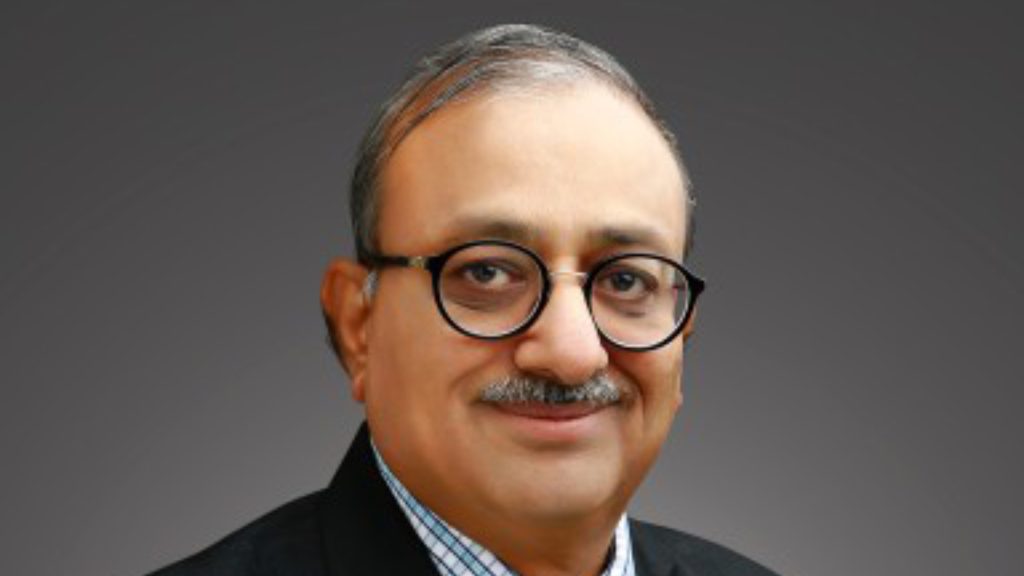
Speaking on the sidelines of India Energy Week (IEW) 2026 in Goa, Neeraj Agarwal, President of Nuclear Power at JSW, outlined a strategic roadmap for the company’s entry into the sector. To achieve this vision, the Indian government is leaning on a combination of large reactors and small modular reactors (SMRs). Agarwal revealed that at least 20 GW of the national target is expected to be contributed by the private sector, though he emphasized that this figure is not a cap.
One of the primary hurdles for private entry into nuclear power is the extreme manpower specialization required. To mitigate the manpower crunch, JSW has requested the Department of Atomic Energy (DAE) to provide handholding and specialized training for its recruited engineers.
Given the time required for specialized training and site evaluation, JSW is looking to begin plant construction in approximately 3 to 4 years. The company is currently evaluating multiple sites to meet stringent seismic and safety requirements.
Addressing the economics of the mission, Agarwal stated that the estimated cost per megawatt (MW) is currently trending in the range of ₹15 to ₹16 crore. While capital-intensive, the investment is seen as a vital step toward long-term energy security.
Ultimately, the integration of nuclear power is no longer optional for the Indian economy. To successfully transition into a green energy future and fulfil its global commitment to attain net-zero by 2070, India needs nuclear energy as a reliable, carbon-free base-load source to complement its renewable portfolio.
ESGNews.earth is a media partner at the event.