
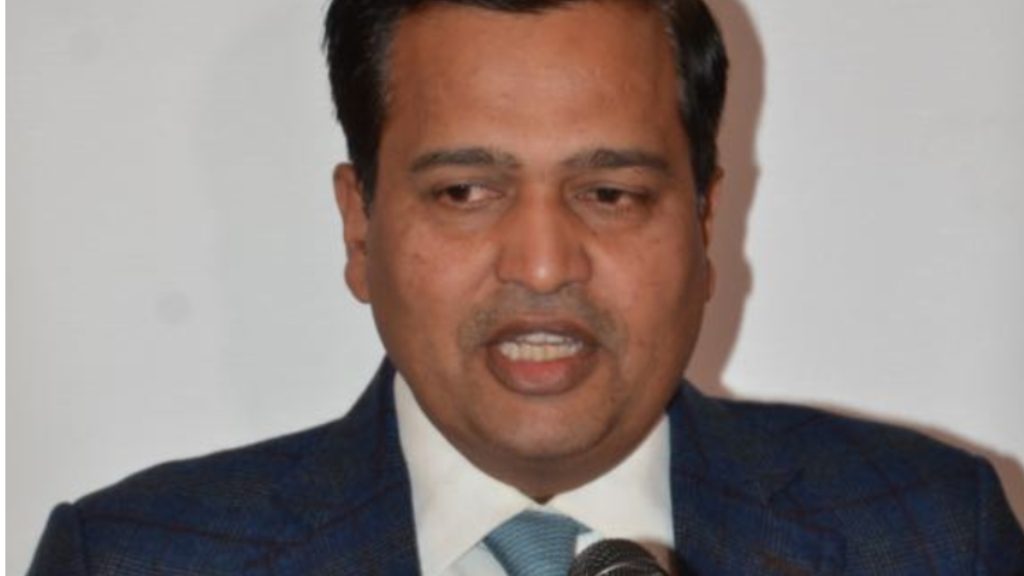

India’s transition toward electric mobility is rapidly gaining momentum, with over three million EVs now on the road. However, according to Vaibhav Dange, former Advisor, National Highways Authority of India (NHAI), the next phase of growth requires an “infrastructure-first” model.
Speaking at a recent event, Dange cautioned that the current charging network is neither sufficient nor evenly distributed to meet the rising demand required for mass adoption. He stated that the backbone of consumer confidence must be a resilient and widespread charging network.
The million-charger target:
To close this critical gap, the former NHAI Advisor asserted that India must expand its network from a few thousand chargers today to at least one million by 2030.
The extensive network must span public, semi-public, and private spaces. The push for scalable EV Infrastructure is necessary to address persistent consumer concerns like “range anxiety” and the lack of accessible charging for apartment dwellers.
Call for standardization:
Dange said that policy stability and standardization are vital for unlocking sustained private investment. He called for:
- Standardization across charging connectors, swapping interfaces, and payment systems to reduce market fragmentation.h.
- Long-term Clarity (8-10 years) on GST, incentives, import duties, and manufacturing norms to support innovation-led growth.
- Strengthening regulatory frameworks for battery recycling and mineral recovery to support a circular battery economy.
He said that building a functional, inclusive, and trusted EV Infrastructure is not merely an operational necessity but the foundational step toward achieving India’s long-term economic and environmental goals in clean mobility.