

Dr. Soumya Swaminathan, former ICMR Director, identifies climate change as an immediate public health crisis in India, with over 57% of districts facing high to very high heat risk. Urban heat islands raise city temperatures 5–10°C above rural areas, while rising nighttime heat impairs recovery from daytime stress.
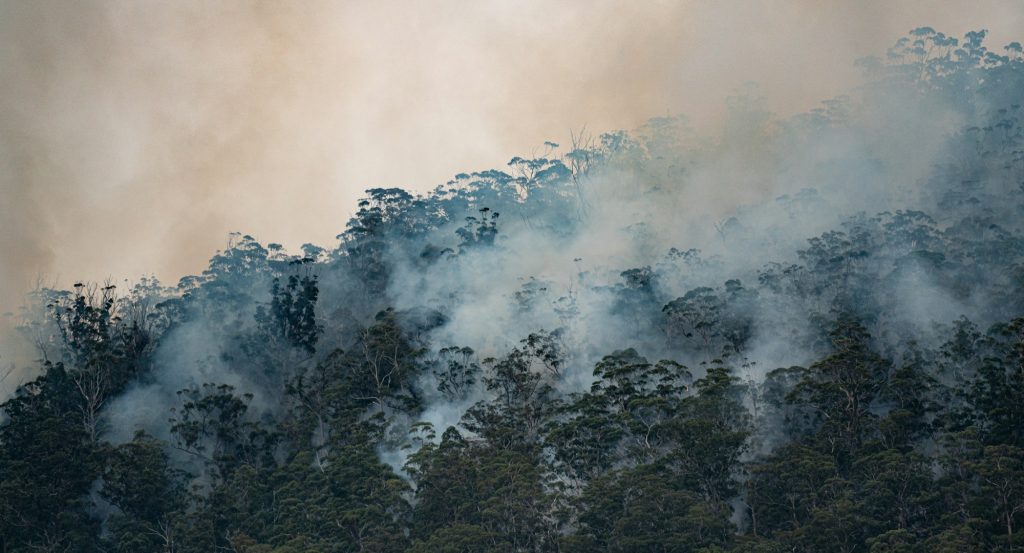
Heat-related deaths exceed 550,000 globally annually, with India bearing 24% of the heat-attributable disease burden (Lancet Countdown 2025). Air pollution drives 7 million premature deaths yearly worldwide, as PM2.5 infiltrates organs, fueling cardiovascular disease, strokes, cancer, and dementia—a 10 μg/m³ reduction cuts all-cause mortality by 8.6% (WHO).
Heat-Resilient Health Systems
- Integrate heat preparedness into primary healthcare, including cool rooms in facilities and revised protocols to prevent misdiagnosis.
- Train healthcare workers at all levels on climate risks.
- Mainstream resilience into national programs for maternal health, non-communicable diseases, and vector-borne illnesses.
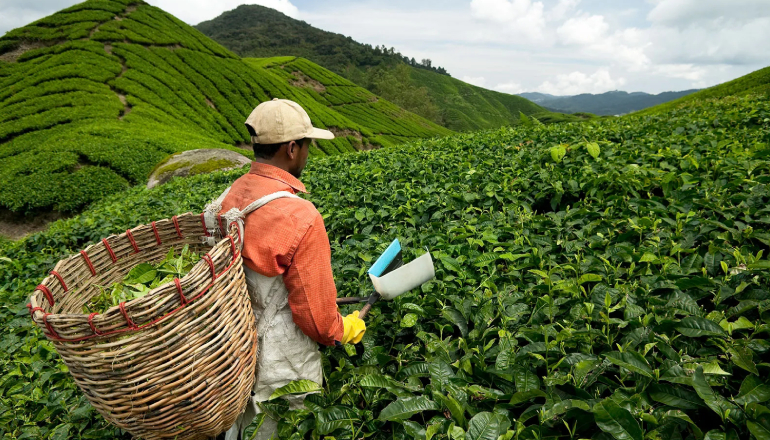
For fast-growing cities like Hyderabad, Dr. Swaminathan recommends climate-resilient building standards, electric vehicle scaling, redesigned urban planning, and Metro expansions. Gender-transformative strategies yield results: equitable resource access boosts women’s agricultural productivity by up to 30% (UN data), while indigenous knowledge aids conservation.
Economic and Policy Imperatives Highlighted by Dr. Swaminathan
- Heat extremes cost India $4–7 billion annually in lost productivity (World Bank, 2025).
- By 2030, unmitigated climate impacts could shave 2.8% off GDP (Government of India Climate Risk Assessment).
- Align with SEBI BRSR requirements: disclose climate-health risks in annual reports, addressing Scope 3 emissions from urban projects.
Dr. Swaminathan proposes replacing the National Clean Air Programme with a National Clean Air Mission to achieve five-year air quality compliance, expanding to airsheds via clean fuels, emissions enforcement, public transport upgrades, dust control, urban greening, and bolstered pollution boards. Global crises require science-led, equitable solutions with shared knowledge and benefits.